Having published The Complete Norwegian Folktales and Legends of Asbjørnsen & Moe, I decided to take a look at the state of the folktales and legends of Norway’s closest neighbour. Despite Sweden being so close, we seldom hear of their folklore, for unlike Norway, Sweden never produced anyone with a vision like that of Asbjørnsen and Moe. Consequently, there is no single edition of folktales and legends that is widely understood to be Sweden’s national collection. Even so, various collectors have recorded traditions from across Sweden, beginning in the early half of the nineteenth century. I know of 43 volumes of these folktales; I own many of them.
The absence of a national collection of folktales is on the one hand regrettable, for Swedes do not rally around any particular book as representative of their identity (although they never were never deprived of their national identity, unlike the Norwegians), but on the other hand, it gives a publisher or translator like me the freedom to collate novel collections from across the entire archive of folktales. Which is, in the fullness of time, what I have a mind to do. In fact, why not several shorter collections?
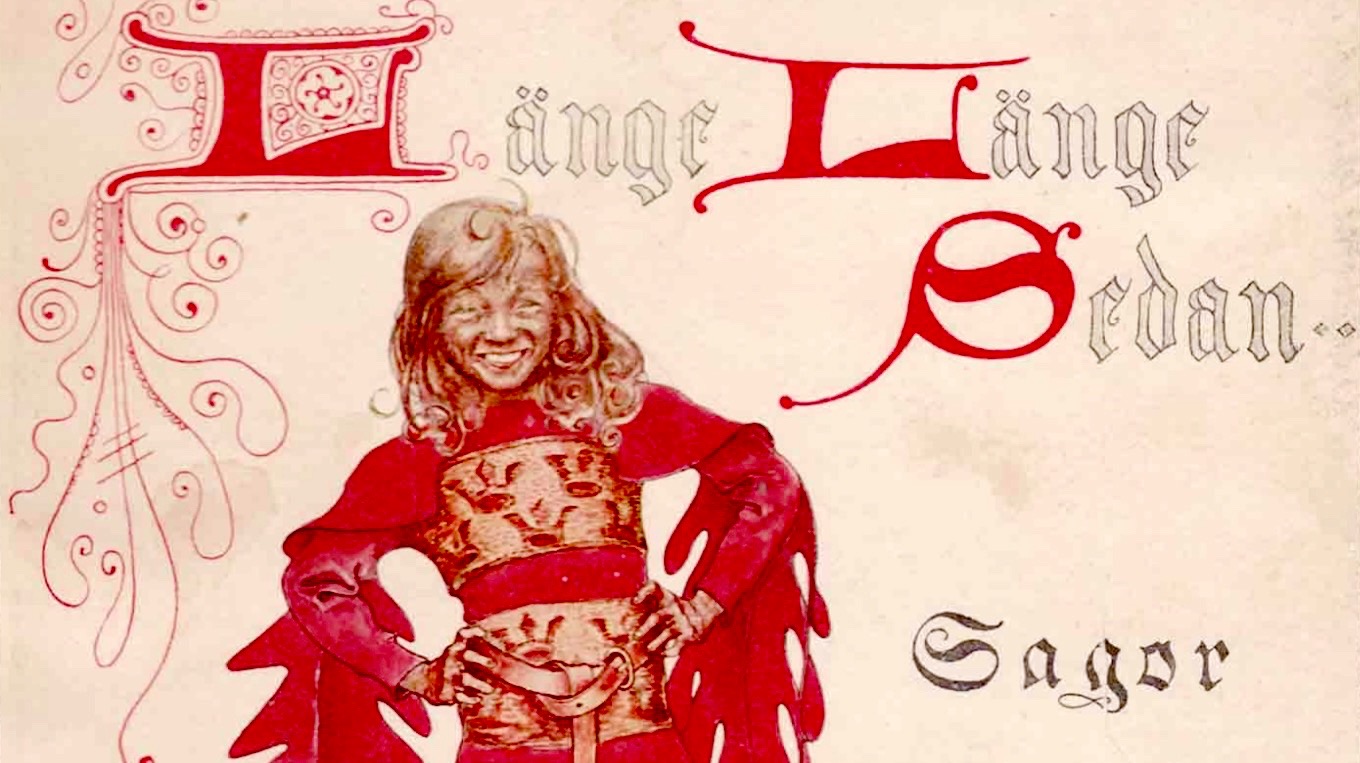
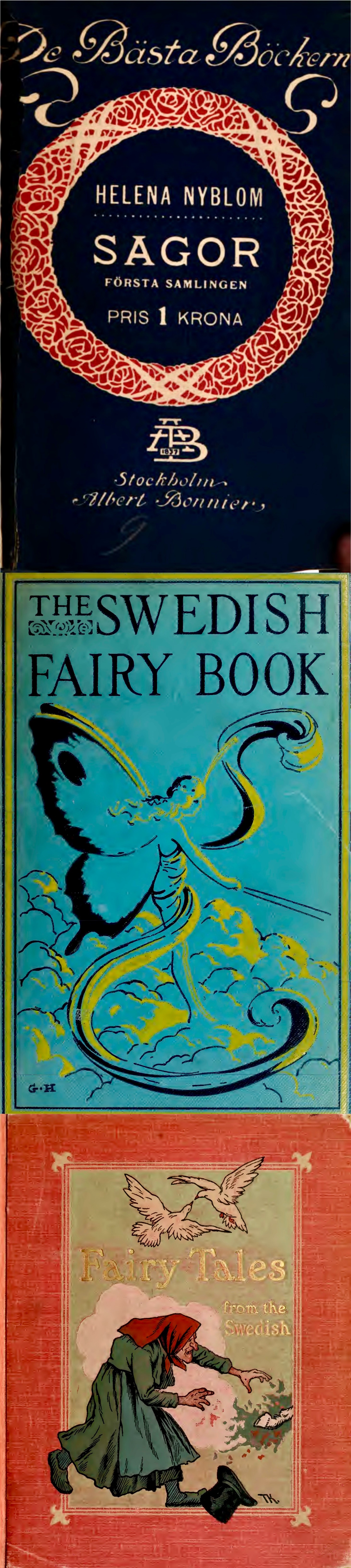
Several collections of Swedish folktales have been published in English translation. The earliest of these is Benjamin Thorpe’s Yule-Tide Stories, which anthologises the folktales recorded by Gunnar Olof Hyltén-Cavallius and George Stephens (published in the original in 1849) with folktales from Norway, Denmark, and northern Germany. Among other compendiums we find Herman Hofberg’s Swedish Fairy Tales (1890), translated by W. H. Myers, which consists largely of local legends, arranged by region of origin, rather than folktales in the strict sense; Hans Lien Brækstad’s translation of some of Nils Gabriel Djurklou’s folktales, in Fairy Tales from the Swedish (1901); Helena Nyblom’s Jolly Calle and Other Swedish Fairy Tales (1912); and The Swedish Fairy Book (1921) by Clara Stroebe and Frederick H. Martens.
Unlike my edition of Asbjørnsen & Moe, which produced something new – the first complete English translation of these celebrated tales and legends – any edition of Swedish tales that I decide to produce will merely add to the number of relatively informal collections published so far. My feeling is that such a publication does a disservice to the tradition bearers (whose work deserves better treatment than to be thrown into a melting pot of “Swedish folktales”), the collectors (ditto), and the folk narratives themselves (the result of a long succession of people learning and transmitting these stories). If I am going to publish a collection of Swedish folktales, I want to do it in a way that I find worthy of the traditions; I’m not interested in turning a quick buck.
Just how I intend to achieve this aim is as yet unknown. The idea is maturing within my thoughts. More to follow, no doubt.